

Art Deco furniture is seeing a renewed surge in luxury decor, known for its geometric elegance, iconic design and fine craftsmanship. Whether you’re a collector, interior designer, or savvy homeowner, understanding what sets true Art Deco apart and how to avoid common mistakes can help you invest wisely and decorate with confidence.
Key Takeaways
- Art Deco furniture stands out for its timeless geometric beauty, quality craftsmanship, and influence in today’s luxury interiors.
- Authenticity, quality, and investment value require careful research, due diligence, and sometimes, professional verification.
- Many guides miss practical issues like cost ranges, resale potential, and how to distinguish original Art Deco pieces from modern reproductions.
- Art Deco Furniture: The Core Concept
- Step-by-Step Guide: Sourcing and Styling Art Deco Furniture
- Advanced Analysis & Common Pitfalls
- Conclusion
- FAQs
Art Deco Furniture: The Core Concept
Art Deco furniture emerged in the 1920s and 1930s, blending modern geometry with luxury materials and meticulous craftsmanship. Its signature look a fusion of bold lines, rich woods, and intricate metal accents translates equally well to period and contemporary interiors. In 2026, this style remains highly coveted, especially within luxury decor spaces, due to its striking visual appeal and versatility.
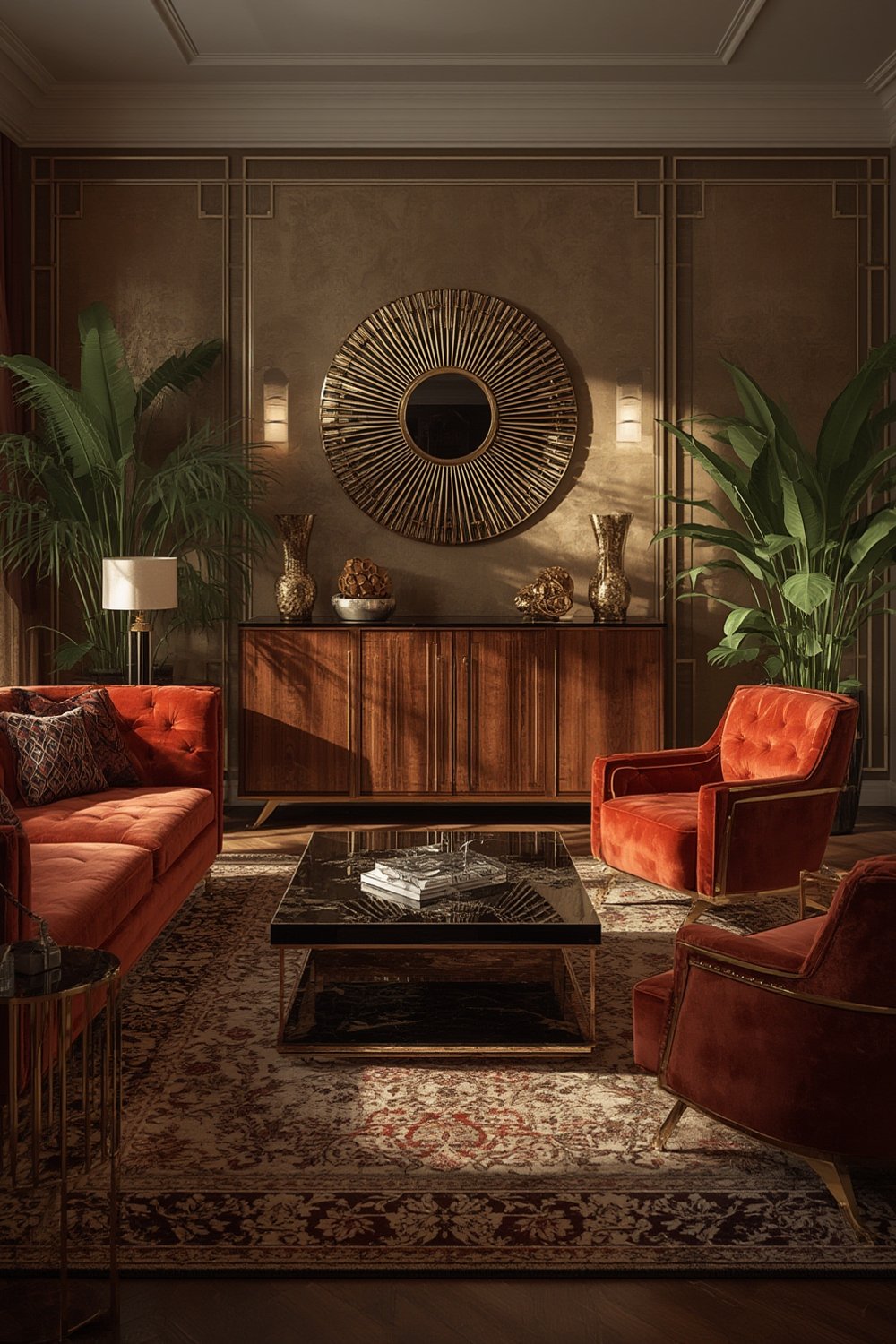
The demand for Art Deco and revival pieces is influenced by interior design trends favoring craftsmanship, statement geometry, and understated glamour. While the broader home decor market is projected to keep expanding at nearly 4% yearly reaching a value of $133.6 billion by 2026 Art Deco stands out for homeowners and designers seeking pieces that combine heritage and innovation. [source] Despite how recognizable the style is, competition for genuine vintage or bespoke designs is high, and informed buyers need to distinguish between mass-produced lookalikes and authentic craftsmanship.
Step-by-Step Guide: Sourcing and Styling Art Deco Furniture
Creating a stunning Art Deco-inspired space takes more than picking objects with zig-zags or chevrons. Here’s a practical process to help you source, verify, and style Art Deco furniture with confidence:
- Research Distinguishing Features. Study the hallmarks of true Art Deco design: symmetrical forms, bold geometric ornamentation, and use of materials like walnut, rosewood, or intricate metal inlay.
Revival and reproduction pieces often feature similar silhouettes but lack the depth of hand-carved detail and workmanship. - Set Your Budget and Priorities. Vintage Art Deco items, especially designer or signature works (like Émile-Jacques Ruhlmann sideboards), can fetch premium prices. While reliable cost data is scarce, expect authentic pieces in excellent condition to command significant investment especially in larger cities or at auction. Modern high-end revivals are comparatively affordable but may not offer long-term value.
- Verify Authenticity. Seek documentation, provenance, or appraisals where possible. Work with reputable dealers, established auction houses, or request expert opinions for high-value acquisitions. For further peace of mind on luxury and authenticity, compare the level of craftsmanship to similar items you know to be original.
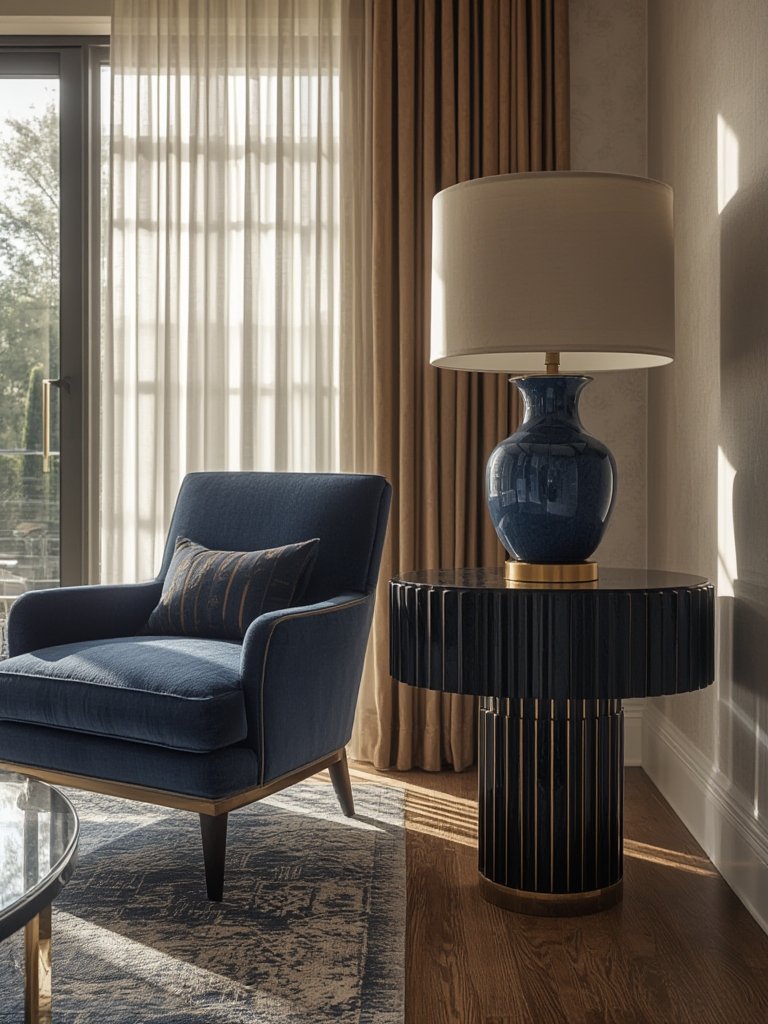
Internal tip: Think of it like assessing the structure and material quality of a large cat tree; the strength is in the unseen details. - Consider Placement and Style Integration. Because of its strong visual presence, Art Deco works best as a focal point balanced with more neutral or contemporary pieces. This keeps your space sophisticated rather than overwhelming. Use Art Deco sideboards, lounge chairs, or bar cabinets to anchor a room, complemented by soft lighting or simple textiles.
For tight or multipurpose spaces, combine Art Deco elements with functional storage solutions think geometric storage cubes or streamlined shelving. - Maintain and Protect. Preserve value by keeping pieces away from direct sunlight, using coasters and felt pads, and hire professionals for restoration if needed. Quality care ensures both aesthetic appeal and market value over time.
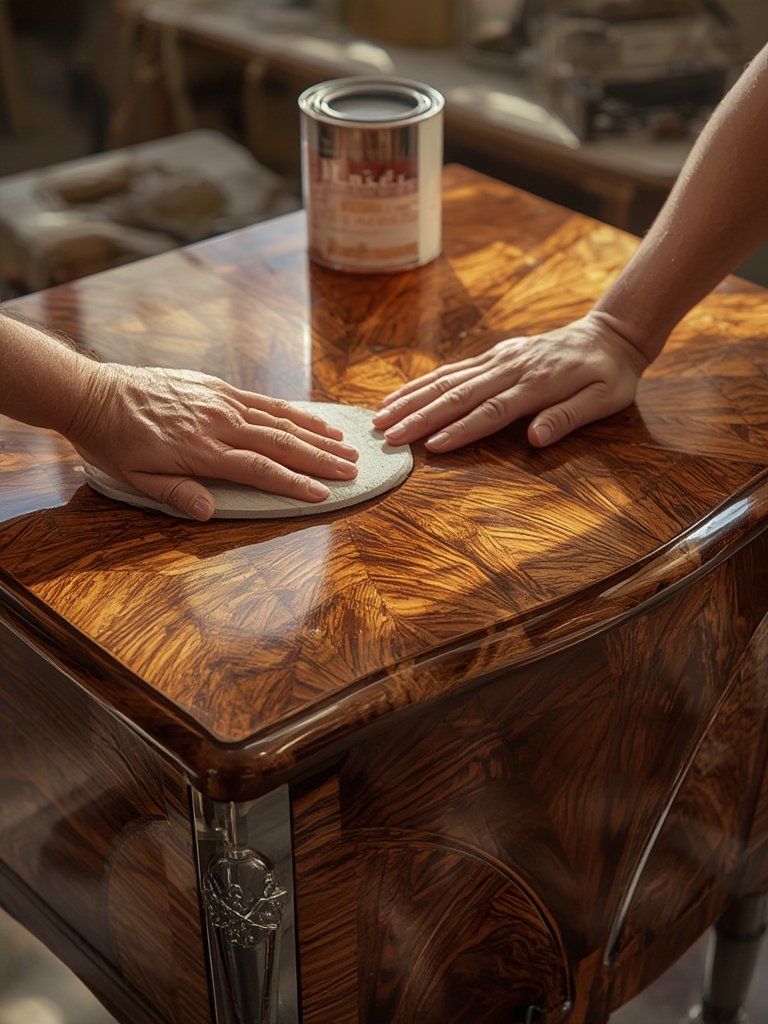
If you want to add a modern twist, try pairing signature Art Deco lines with new accessories. Premium glass food storage containers or subtle LED reading lights can create a unique, lived-in vibe without compromising on style. For outdoor spaces, geometric garden hoses blend practical use and visual impact.
Proactive care and atmospheric layering transform even common geometric pieces into conversation starters.
Advanced Analysis & Common Pitfalls
Savvy buyers know that Art Deco furniture isn’t all equal. Here are some of the most common pitfalls plus helpful comparisons for today’s market realities.
| Feature | Genuine Art Deco (1920–1939) | Modern Revival/Reproduction (2000+) |
|---|---|---|
| Materials | Solid hardwoods (walnut, mahogany), exotic veneers, marble, authentic brass hardware | MDF, veneered plywood, generic hardware; sometimes solid wood in higher-end revivals |
| Craftsmanship | Hand-carved joinery, fine inlays, custom metalsmithing | Machined details, assembly-line joinery, little or no handwork |
| Value Trend | Appreciating (especially for documented designer pieces); sought after by collectors | Stable to depreciating; resale value based on brand and finish quality |
| Common Pitfalls | Lack of provenance, over-restoration, hidden repairs, expensive maintenance | Looks authentic but poor durability; lower investment upside |
Authenticity and Investment Risks:
- Many buyers overpay for skillful reproductions, mistaking them for period originals. Real Art Deco features fine joinery, patina, and subtle irregularities machine-perfect pieces are red flags.
- Quality can be inconsistent even at high price points. Without expert assessment, buyers risk investing in over-restored or composite items.
- Delivery delays and damage can be a problem, especially for fragile or imported pieces. Choose insured shipping and consider the return policy ahead of purchase.
- No reliable average cost data exists for the category, so compare multiple sources and negotiate with caution.
For more on overall market statistics and trends, see industry research by Fortune Business Insights and recent Art Deco trend reviews.
Conclusion
Art Deco furniture is an enduring favorite for luxury decor, offering geometric sophistication and investment potential when chosen carefully. By focusing on quality, authenticity, and thoughtful integration, you can ensure your Art Deco furniture stands the test of time, in both design and value. Ready to transform your space? Start your search now and don’t hesitate to work with a knowledgeable dealer or appraiser if you’re investing in a signature piece.
FAQs
How can I quickly tell if an Art Deco piece is authentic?
Check for hand-cut joinery, original hardware with quality metalwork, and materials like solid hardwood or exotic veneers. Ask for provenance or documentation when possible. Be cautious of perfectly machined or excessively glossy surfaces; these usually indicate modern reproductions.
Is Art Deco furniture a good investment?
High-quality, original Art Deco furniture especially by known designers tends to hold or increase in value. However, value depends on condition, rarity, provenance, and market demand. Modern reproductions generally don’t appreciate.
What are typical maintenance tips for Art Deco furniture?
Keep pieces away from direct sunlight and moisture, use protective pads under objects, and only clean with mild, non-abrasive products. For valuable pieces needing repair, hire a specialist instead of attempting DIY fixes.
Why is pricing information on Art Deco furniture so difficult to find?
There’s limited reporting on Art Deco sales and values, partly because every piece is unique. Prices vary based on condition, authenticity, designer, and where it’s being sold auction, gallery, or online marketplace.
Can I mix modern furniture with Art Deco pieces?
Absolutely. Art Deco works beautifully with contemporary items as long as you balance scale and color for visual harmony. Use geometric accent pieces or textiles to create subtle connections between styles.