

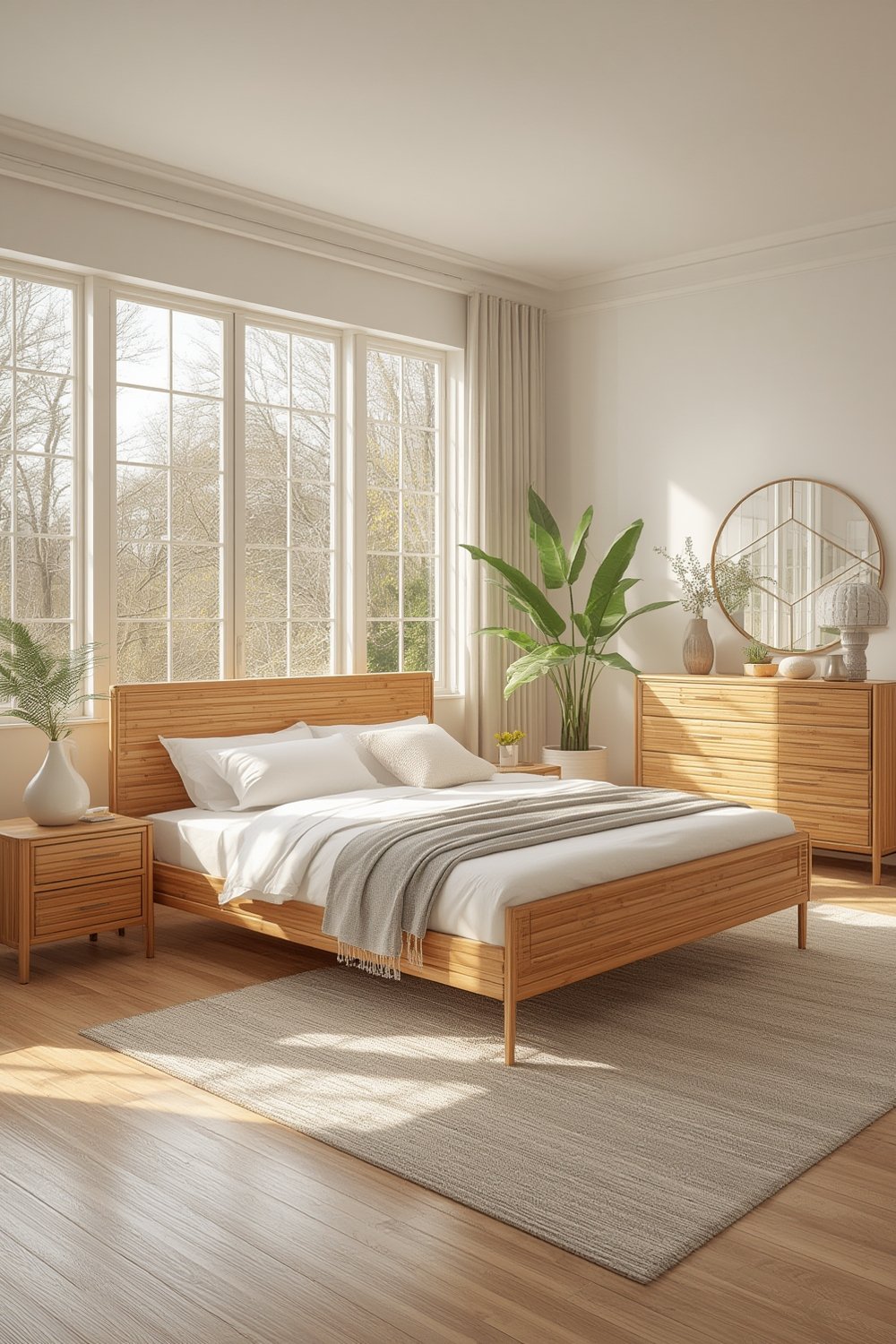
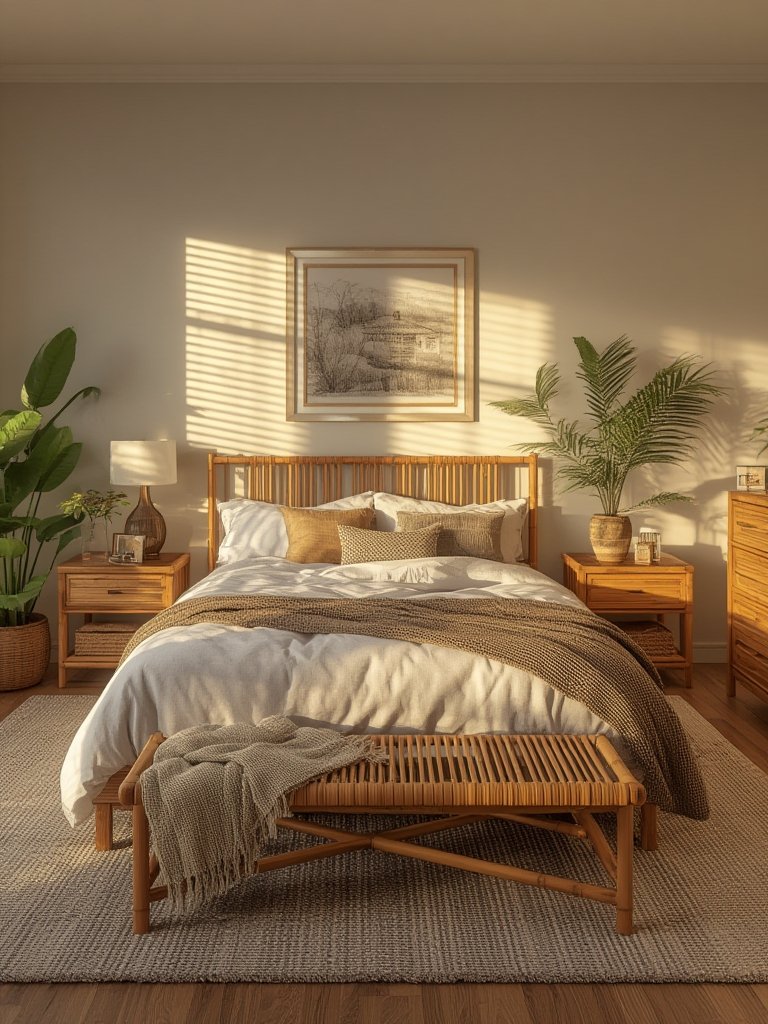
bamboo bedroom furniture is quickly becoming a top choice for homeowners seeking style, sustainability, and affordability in the modern home. But is bamboo right for your bedroom, and what do you really need to know before choosing this eco-friendly material? Let’s break down the facts and must-know steps for making the smartest investment in your sleep sanctuary.
Key Takeaways
- Bamboo bedroom furniture is prized for its renewability, modern aesthetic, and low environmental impact, making it a popular alternative to traditional wood and MDF options.
- No standardized certifications exist for bamboo bedroom furniture, so buyers must research manufacturing practices and sustainability claims carefully.
- Market growth in North America is rapid, but data on pricing, durability concerns, or brand differences remains limited, so cautious, informed selection is key.
- The Core Concept: What Sets Bamboo Bedroom Furniture Apart?
- Step-by-Step Guide: Choosing & Caring for Bamboo Bedroom Furniture
- Advanced Analysis & Common Pitfalls
- Conclusion
- FAQ
The Core Concept: What Sets Bamboo Bedroom Furniture Apart?
Bamboo bedroom furniture is more than just a trend; it represents a shift toward sustainable, practical, and stylish home design. With the global bamboo furniture market valued at over $13 billion in 2024—and North America leading with a significant 40% share (source)—consumers are clearly voting with their dollars for greener living spaces.
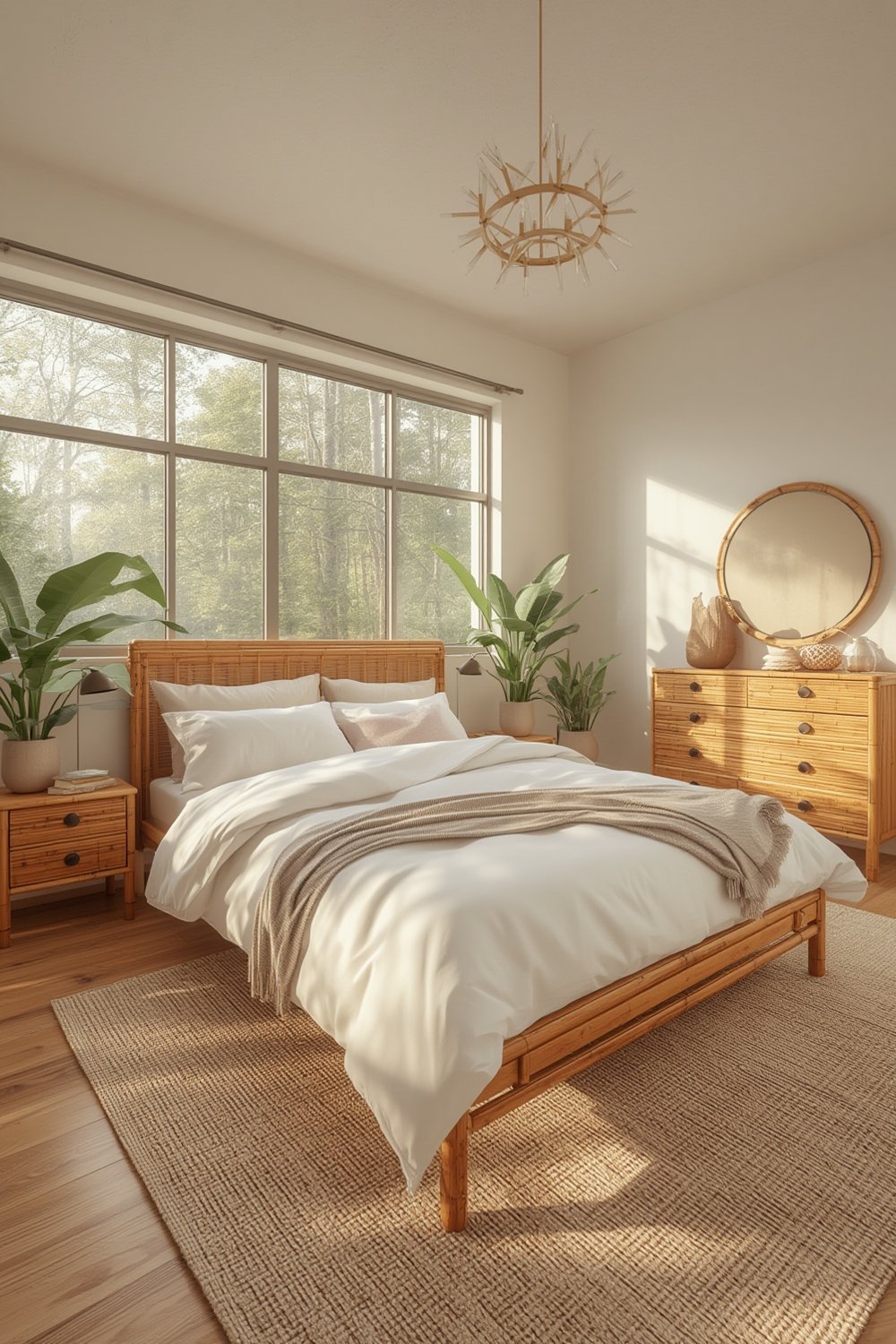
Why choose bamboo for your bedroom? Unlike hardwood, bamboo matures in just a few years, does not require pesticides, and produces 35% more oxygen while absorbing 40% more CO2 than trees. This makes bamboo beds, dressers, and sets not just stylish, but part of a larger movement toward eco-responsibility.
While the market is booming, buyers should be alert to the fact that no universal eco-certifications exist for bamboo bedroom furniture—so claims of sustainability require careful scrutiny. Since most competitor content skips practical vetting methods, we’ll cover those in detail next.
Step-by-Step Guide: Choosing & Caring for Bamboo Bedroom Furniture
Ready to add bamboo to your bedroom? Here’s a practical, stepwise approach:
- Research the Source
Not all bamboo is created equal. Ask manufacturers where their bamboo is grown. Regions with strict environmental laws will be more likely to use responsible farming and processing methods. Since the market lacks specific eco-labels, third-party sustainability reporting or direct supplier info is your best bet.
See more on market statistics. - Inspect Design & Construction
Check for sturdy joints, durable finishes, and attention to detail. While we lack data on brands, visually compare online images and user-submitted photos. A bamboo bed frame should be reinforced at stress points, and dresser drawers should glide smoothly. - Consider Environmental Impact
Bamboo is renewable, but not all production methods are clean. Ask about glues, finishes, and chemicals. Some cheaper products use adhesives with formaldehyde. Choose water-based, low-VOC finishes if disclosed. - Assess Practicality and Comfort
Test in person when possible—especially on multi-level pieces or if you have heavy use in mind, such as for children or high-traffic bedrooms. - Care and Maintenance
Bamboo doesn’t require special cleaners. Dust with a dry cloth and wipe up spills quickly. Use coasters under drinks, and avoid prolonged exposure to direct sunlight which can cause color change, just as in hardwood or MDF furniture.
Bamboo’s versatility also resembles the adaptability of other multi-functional home products. If you’re interested in practical storage solutions across your home, check out the best glass food storage containers for eco-friendly kitchen organization.
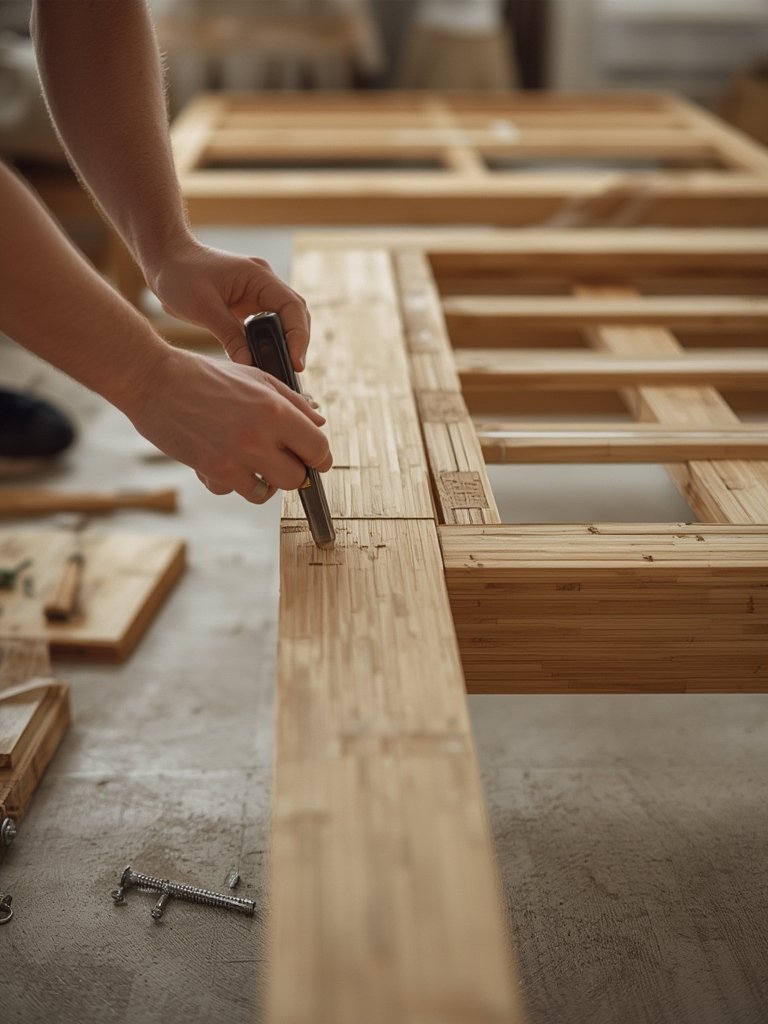
Some bamboo furniture items now feature modular, easily upgradable components—look for this if you redecorate often or anticipate moving. You may also want to consider pet-friendly resilience; for those with indoor cats, pairing bamboo furnishings with a large cat tree helps maintain bedroom harmony.
Ultimately, taking a methodical approach to bamboo bedroom furniture selection offsets the current lack of standardized information on pricing, brand differentiation, and durability. Treat every quality claim with a healthy dose of skepticism, and don’t hesitate to reach out to manufacturers directly.
Advanced Analysis & Common Pitfalls
While the popularity of bamboo bedroom furniture is rising fast, the available data offers little insight into brand-to-brand differences, real-world durability issues, or pricing comparisons with hardwood or MDF alternatives.
| Feature | Bamboo Bedroom Furniture | Hardwood Furniture | MDF Furniture |
|---|---|---|---|
| Renewability | High (grows in 3-5 years) | Low (decades to mature) | Made from wood residues |
| Eco Certifications | No universal standards | FSC, PEFC available | Available for some composites |
| Common Complaints | Insufficient data | Warping, cracking | Chipping, swelling with moisture |
| Average Cost | No pricing data | Varies by species | Typically cheapest |
| Lifespan | Unknown, likely 5-15 yrs | 20+ years with care | 5-10 years |
Users should be aware of the lack of transparency in some corners of the eco-furniture market. For instance, just as with eco-friendly dog poop bags, not all bamboo furniture is created equally—even if the marketing says otherwise. Some “bamboo” pieces use particleboard cores with thin bamboo veneers, so double-check specifications if longevity is your priority.
It’s also worth noting that, unlike many advanced reclaimed or recycled materials, bamboo’s lifecycle impact remains little-studied. We do know that bamboo’s oxygen production and CO2 absorption are both significant, but other environmental factors (like shipping emissions and chemicals used) need independent verification (source).
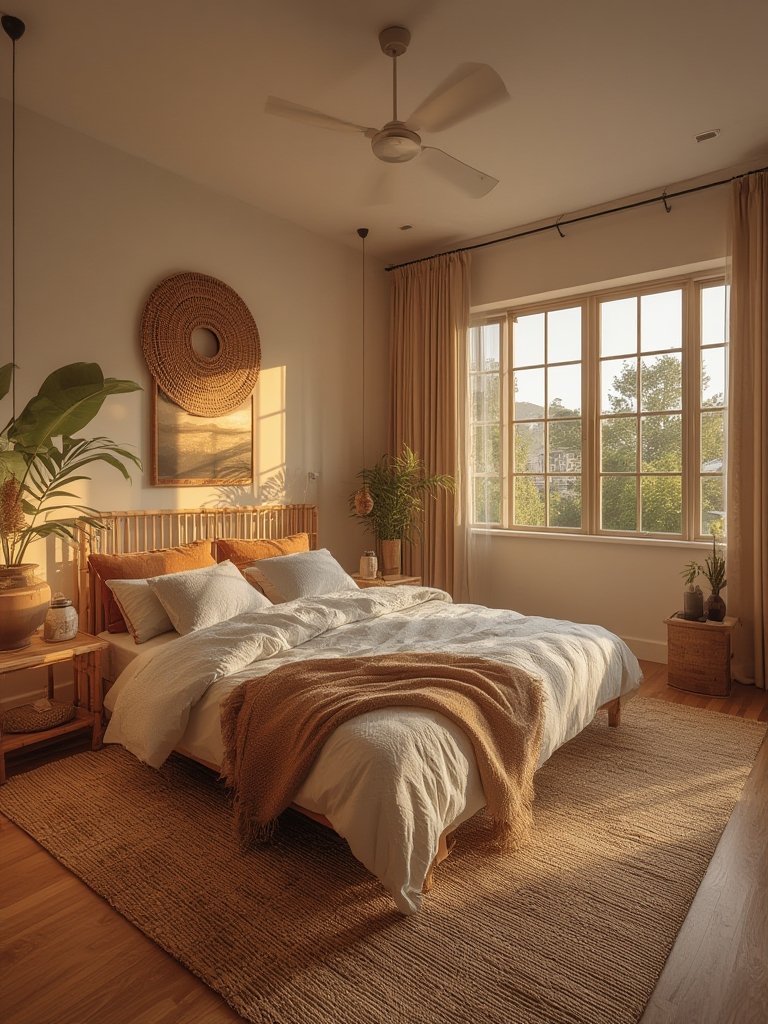
Bamboo’s minimalist look isn’t for everyone, and availability in certain regions can fluctuate, making it critical to order well in advance when updating your sleep space. If you’re seeking ergonomic comfort elsewhere in your home, pair your bamboo furniture upgrade with the Ultimate Gaming Chair 360° for a cohesive, modern setup.
Conclusion
Bamboo bedroom furniture stands at the intersection of sustainability and modern design. Its eco-credentials are compelling—though buyers must investigate claims carefully. While reliable market and user data is still lacking, the benefits of renewability, low environmental impact, and distinct style are real. If you’re ready to transform your bedroom, choose bamboo bedroom furniture with both eyes open—and always look for honest answers from sellers. Ready for your eco-upgrade? Explore, ask the right questions, and enjoy your new, greener retreat.
FAQ
Is bamboo bedroom furniture durable compared to hardwood?
Bamboo is generally strong and resilient. However, durability depends on construction quality and how the furniture is used. In the absence of long-term comparative studies, treat bamboo as a mid-tier option—similar to softer hardwoods but more sustainable.
Are there any formal eco-certifications for bamboo bedroom furniture?
No universal certifications cover bamboo bedroom furniture specifically. Look for credible descriptions of sustainable harvesting and manufacturing instead.
Can I refinish or repaint bamboo bedroom furniture?
Yes, bamboo can often be sanded and refinished. Use gentle sanding and water-based or natural oil finishes for the best results. Test in an inconspicuous area first.
How do I clean and maintain bamboo bedroom furniture?
Dust regularly and use a damp (not wet) cloth for cleaning. Prevent exposure to excess moisture, direct sunlight, and harsh chemicals.
Is bamboo furniture suitable if I have pets?
Bamboo resists scratches better than some softwoods, but deep scratches or chew marks from aggressive pets may still occur. Pair furniture with pet-friendly accessories, like a large cat tree, to help minimize accidental damage.